
Therapy grounded in presence, understanding, and evidence-based practice
3 Pillars:
1. Non-judgemental space
Therapy begins with a safe, respectful, and non-judgemental space. My work is grounded in careful listening, empathy, emotional attunement, and unconditional positive regard.
Before any technique is introduced, the focus is on creating a therapeutic framework where you can feel heard, understood, and met as a whole person.
2. Shared formulation
Together, we build a shared understanding of what is happening and what may be maintaining your distress.
Drawing on CBT formulation and integrative psychotherapy, we explore links between thoughts, emotions, and behaviours. All in the context of your past life stages experiences, relationships, and the ensuing patterns.
3. Evidence-based change
My work is fully grounded in evidence-based therapies from the wider Cognitive Behavioural Therapies, including Classic CBT, ACT, Motivational Interviewing and DBT-informed strategies.
This integrated intervention is ultimately aimed at supporting your natural strengths and resources of finding your balance again, and live the life you want and deserve to live.

Carl Rogers (1902 – 1987)
The founder of Person-Centered Psychotherapy
At the heart of this approach is a person-centred foundation, including what Carl Rogers called unconditional positive regard: the experience of being met as a whole person, not judged, reduced to a diagnosis, or treated as a problem to be fixed.
From this foundation, I use evidence-based psychological therapies, with a particular emphasis on Cognitive Behavioural Therapy and the wider CBT family of approaches. This includes traditional CBT, Motivational Interviewing, and selected third-wave CBT approaches such as Acceptance and Commitment Therapy and Dialectical Behaviour Therapy-informed work.
This means that therapy is both human and clinically grounded. The relationship matters, but so does the method. Where helpful, we use structured, evidence-informed ways of understanding difficulties, identifying what may be maintaining distress, and supporting meaningful, measurable change.
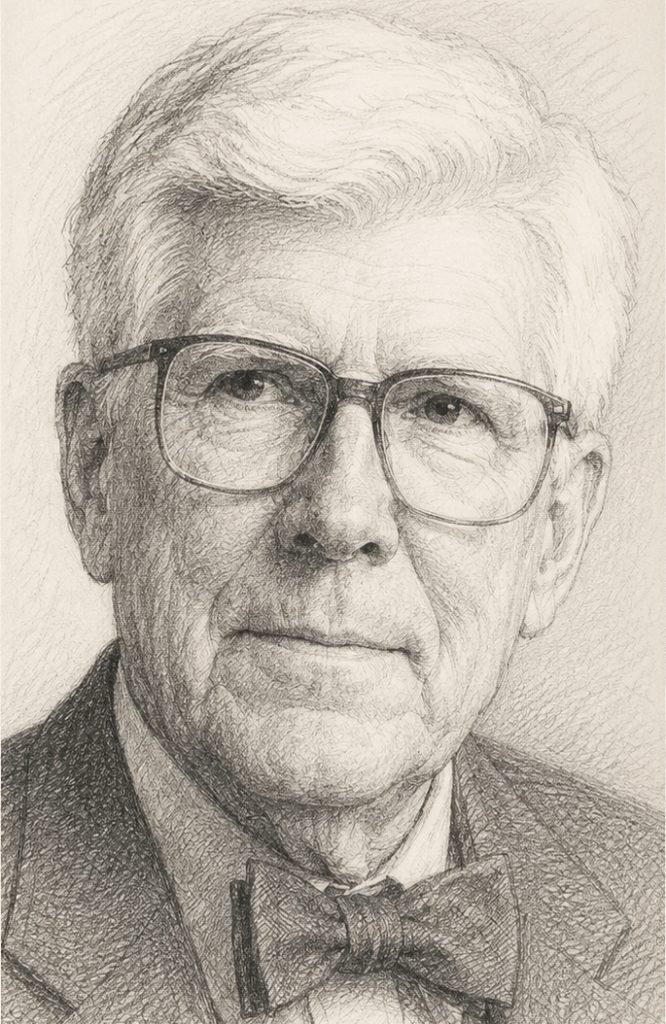
Aaron T. Beck (1921 – 2021)
“The Father of Cognitive Behavioural Therapy”
Therapy starts with a conversation.
If it feels right, this can be the first step towards clarity and lasting recovery.